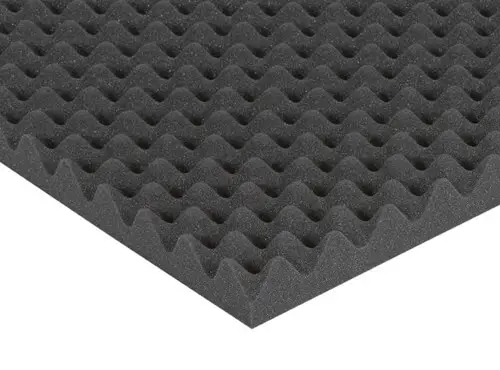
Understanding the Science of Sound: How Noise Isolation Works
Understanding the science of sound involves delving into how noise isolation functions to enhance our auditory experience. At its core, noise isolation refers to the ability of a material or structure to block or absorb sound waves, effectively reducing their transmission from one environment to another. This process relies on principles of physics, particularly the properties of sound waves, which travel through various mediums like air, walls, and materials. Various factors, such as density, thickness, and the type of material used, contribute to the effectiveness of noise isolation, making it a crucial consideration in architectural design, product development, and personal audio equipment.
To understand how noise isolation works, it's essential to consider several key components:
- Mass: Heavier materials tend to block lower frequencies more effectively.
- Absorption: Soft materials can absorb sound waves, reducing reflection and echo.
- Damping: This refers to the energy dissipation through materials, helping to minimize sound transmission.
Counter-Strike is a popular first-person shooter game that pits teams of terrorists against counter-terrorists in various objective-based missions. Players can choose different maps and modes, utilizing various weapons and strategies to outsmart their opponents. For players looking for an enhanced gaming experience, proper audio gear is essential. Check out the Top 10 airpods pro ear tips to find the perfect fit for clear communication and immersive sound during intense matches.
Top 5 Innovative Materials for Effective Noise Reduction
In today's fast-paced world, effective noise reduction is becoming increasingly essential in both residential and commercial spaces. Various innovative materials have emerged, leading the way in acoustic management. Here are the top five materials that are revolutionizing soundproofing and creating quieter environments:
- Acoustic Foam: This lightweight, porous material is a favorite among sound engineers and DIY enthusiasts alike. With its ability to absorb sound waves, acoustic foam panels are commonly used in studios, home theaters, and offices to minimize echo and reverberation.
- Mass Loaded Vinyl (MLV): Known for its dense composition, MLV effectively blocks sound transmission through walls and ceilings. Its flexibility allows it to be used in various applications, from residential soundproofing to industrial settings.
- Green Glue: This unique noise-proofing compound is applied between layers of drywall and significantly reduces sound transfer. As a favored choice for both renovations and new builds, it demonstrates that innovation can come in the form of a simple adhesive.
- Resilient Channels: These metal strips are designed to decouple drywall from wall studs, effectively minimizing sound vibrations. When installed correctly, resilient channels can be a game-changer in reducing noise in apartments and shared walls.
- Cork Panels: An eco-friendly option, cork not only provides aesthetic appeal but also excels at noise absorption. Its natural properties make it a sustainable choice for those looking to enhance sound insulation in an environmentally conscious way.
Is Your Home Making You Crazy? Tips for Creating a Quieter Living Space
In a world filled with constant noise and distractions, it's no wonder many people feel overwhelmed in their own homes. If your living space is contributing to your stress levels, it might be time to implement some changes. Start by identifying sound sources: Are there appliances that create a constant hum? Is the traffic outside too loud? Once you pinpoint the noise culprits, consider ways to minimize them. Simple adjustments like adding soundproof curtains, changing out appliances for quieter models, or using rugs to absorb sound can significantly lower noise levels and create a more peaceful environment.
In addition to reducing noise, enhancing your home's ambiance can play a crucial role in fostering tranquility. Incorporate elements that promote relaxation, such as soft lighting, calming colors, and natural elements like plants. Consider creating designated quiet zones where you can retreat to for relaxation or meditation practices. Another effective strategy is to limit digital distractions—set boundaries for screen time and create tech-free zones in your home. By intentionally designing a quieter living space, you can reclaim your peace of mind and foster a more serene atmosphere for you and your loved ones.