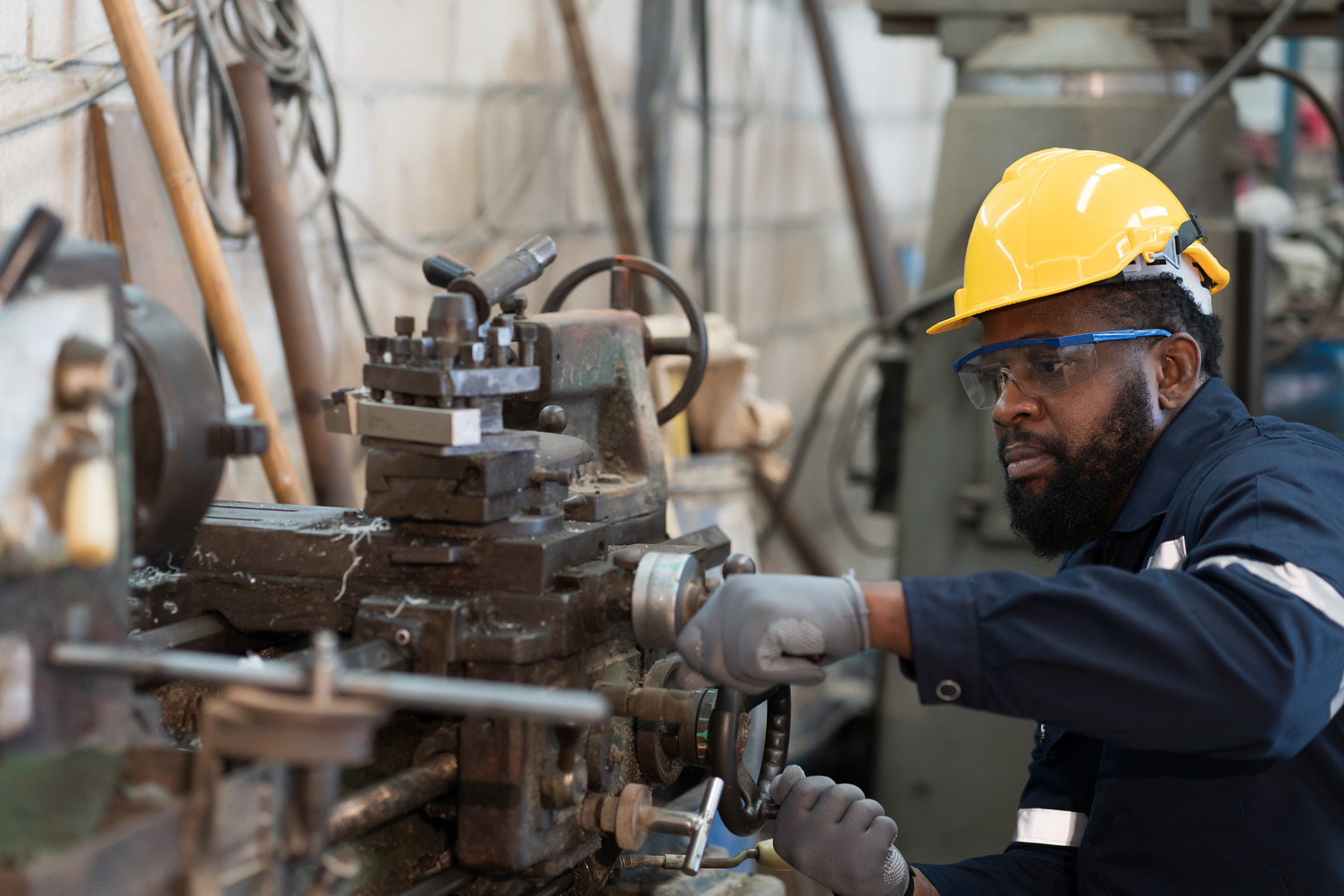
Debunking Common Maintenance Myths: What You Need to Know to Save Money
Maintaining your home or vehicle can sometimes feel overwhelming, particularly with all the myths and misconceptions surrounding maintenance tasks. One common belief is that performing maintenance is often too costly and can wait until something breaks. However, this is far from the truth! Regular maintenance can save you a significant amount of money in the long run by preventing costly repairs. For instance, a small investment in regular oil changes for your car can prevent engine issues, which could lead to thousands in repairs down the line. By understanding what truly needs attention, homeowners and vehicle owners can prioritize their needs effectively.
Another myth is that DIY solutions are always the best option for saving money on maintenance tasks. While it's true that some minor repairs can be tackled at home, others require the expertise of a professional. Neglecting to call in experts for complex issues like electrical repairs or HVAC servicing can lead to more extensive damage and potentially dangerous situations. Therefore, it's essential to assess when to roll up your sleeves and when to hire a professional. Keeping these myths in check can help you make informed decisions, ultimately saving you both time and money.
Counter-Strike, a popular first-person shooter game, has captivated gamers around the world with its competitive gameplay and team-based strategy. Players can enhance their gaming experience with various gear, and if you're looking to keep your laptop cool during intense matches, check out our list of Top 10 Laptop Accessories to Prevent Overheating. Whether you're a novice or a seasoned player, mastering the game mechanics is essential for success.
The Hidden Costs of Ignoring Maintenance: Are You Fall for These Myths?
Maintenance is often viewed as a mundane task, easily postponed or ignored altogether. However, the hidden costs associated with neglecting it can be staggering. Many homeowners fall for the myth that minor issues can resolve themselves over time. In reality, small problems, such as a leaky faucet or a cracked tile, can escalate into much larger, more expensive repairs if left unattended. According to industry experts, over 80% of your repair budget can be consumed by emergency fixes, which could have been avoided with regular maintenance.
Another common misconception is that maintenance is an unnecessary expense. In the long run, investing in routine checks and upkeep can actually save you money. For example, neglecting your HVAC system can lead to inefficiencies that drive up energy costs. Additionally, homes that are well maintained tend to retain their value better than those that aren't. By ignoring maintenance, you may also find yourself facing hidden costs during a sale, as potential buyers will likely be deterred by obvious neglect. Don't fall for the myths—prioritize maintenance and protect your investment.
Is DIY Maintenance Really Cheaper? Separating Fact from Fiction
When it comes to maintaining your home, many people assume that DIY maintenance is the most cost-effective option. While doing it yourself can save on labor costs, the reality is that it's not always cheaper. For instance, materials can vary significantly in price, and if you make mistakes, you might end up spending more on repairs. According to a recent study, approximately 30% of DIY projects end in failure, which can lead to unexpected expenses. Additionally, the time investment required for some tasks can equate to lost wages or missed opportunities, further increasing the overall cost of DIY maintenance.
On the other hand, there are several instances where DIY maintenance can be a budget-friendly alternative to hiring professionals. For example, simple tasks such as painting walls, changing light fixtures, or landscaping can be accomplished with minimal out-of-pocket expenses. Learning new skills through online resources and tutorials can empower homeowners to take on these tasks confidently. However, it's crucial to evaluate your own abilities and the complexity of the job before diving in. Prioritizing tasks based on skill level can help maximize savings while ensuring quality results.