The Art of Simplifying: How Functionality Enhances Everyday Life
The art of simplifying is not merely a trend; it is a philosophy that can profoundly enhance everyday life. By prioritizing functionality over excess, individuals can create environments that are not only aesthetically pleasing but also highly efficient. This simplification strategy encourages a discerning approach to possessions and activities, allowing one to focus on what truly matters. For example, consider the concept of minimalism, where various elements such as minimalist design, decluttering, and intentional living come together to foster a sense of calm and purpose.
Adopting a simplified lifestyle can lead to a multitude of benefits. First, it minimizes decision fatigue by reducing choices to the essentials. Second, it enhances productivity by creating an environment free from distractions. To effectively implement this art of simplifying in daily life, you might follow these steps:
- Identify and eliminate unnecessary possessions.
- Streamline daily routines.
- Focus on meaningful experiences rather than material goods.
Counter-Strike is a highly competitive first-person shooter game that has gained immense popularity over the years. Players are divided into two teams, terrorists and counter-terrorists, and must complete objectives to win rounds. For gamers who enjoy style and want to accessorize, check out the Top 10 airpods cases for some great options. The game's tactical gameplay and emphasis on teamwork contribute to its enduring success in the esports scene.
Why Complexity Fails: The Case for Minimalist Design
Why Complexity Fails can be attributed to the overwhelming burden it places on users and creators alike. In an age where information overload is the norm, an excessive focus on intricate designs and convoluted systems often leads to confusion rather than clarity. Users are bombarded with options and distractions, which can result in diminished engagement and increased frustration. Thus, adopting a minimalist design approach not only enhances user experience but also streamlines functionality. By stripping away unnecessary elements, designers can create intuitive interfaces that allow users to navigate effortlessly and focus on what truly matters.
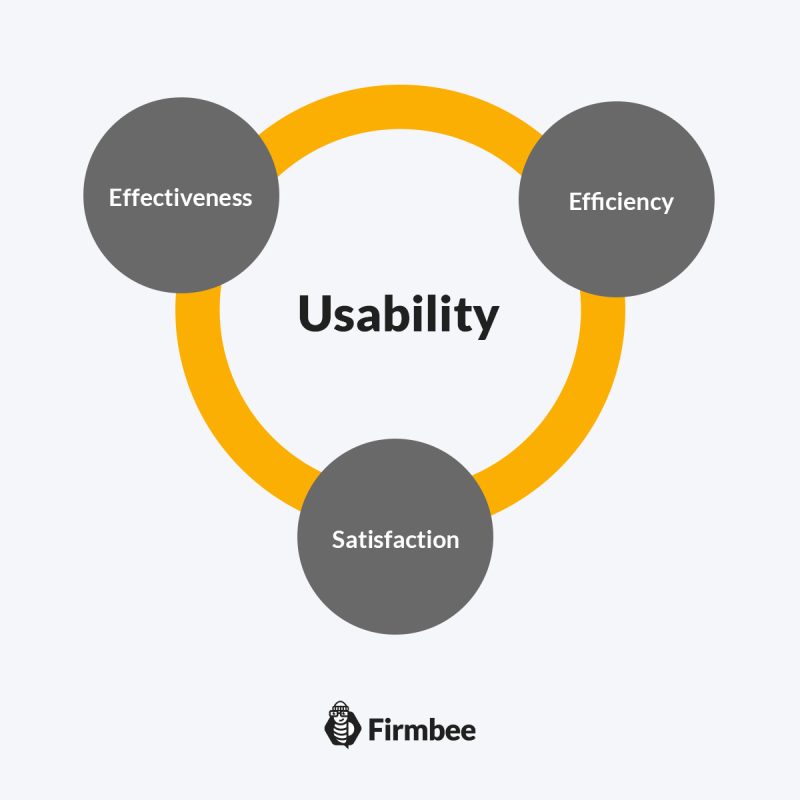
Furthermore, embracing minimalism fosters better decision-making by eliminating the noise of complexity. When choices are simplified, users are more likely to take action, whether it’s making a purchase, signing up for a newsletter, or interacting with content. A study by Hick's Law suggests that the time it takes to make a decision increases with the number of options available. Thus, a minimalist approach not only caters to user preferences but also drives conversions and engagement. In conclusion, the case for minimalist design is clear: it prioritizes clarity, enhances usability, and ultimately leads to greater success in an ever-complicated digital landscape.
Is Simplicity the Ultimate Sophistication? Exploring Functionality in Modern Design
The phrase 'Simplicity is the ultimate sophistication' is often attributed to Leonardo da Vinci, highlighting the importance of minimalism in modern design. In an age where consumers are bombarded with information and choices, functionality takes center stage. When design prioritizes simplicity, it enhances usability, making products not only easier to interact with but also more visually appealing. This shift towards minimalist principles has led to the creation of user interfaces and products that deliver clear communications and straightforward interactions, enabling users to focus on what truly matters.
Modern design encapsulates this philosophy by stripping away unnecessary elements that clutter and confuse. Whether in digital interfaces or physical products, effective design is characterized by its ability to convey meaning through simplicity. Think of iconic brands such as Apple, whose devices embody clean lines and intuitive functionality. By embracing simplicity, designers can create solutions that resonate with consumers, proving that in the realm of functionality, less truly is more. This approach does not just appeal aesthetically; it fosters a deeper connection between the user and the product, underscoring the profound impact of thoughtful and sophisticated design.