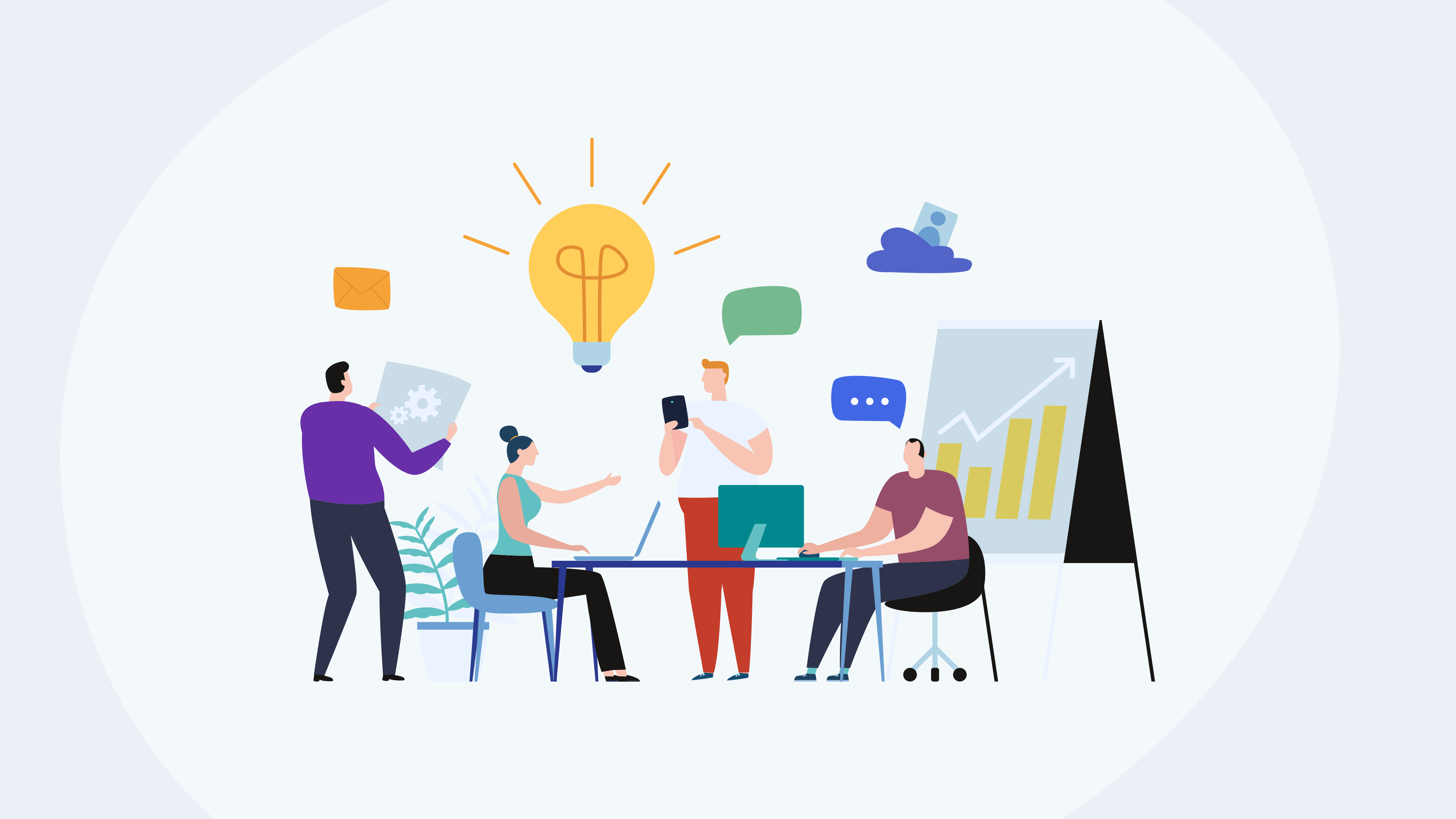
The Power of Support: How a Little Help Can Transform Everyday Challenges
In our daily lives, we often encounter challenges that can feel overwhelming. Whether it's juggling work responsibilities, managing family obligations, or navigating personal struggles, the weight of these problems can be burdensome. However, the power of support plays a crucial role in helping us tackle these hurdles. By reaching out and seeking assistance from friends, family, or even online communities, we can find not only solutions but also the motivation to persevere. Studies have shown that those who actively seek help are more likely to overcome difficulties and experience improved mental health, showcasing the undeniable strength found in unity.
Moreover, offering support to others can also transform our own experiences. When we lend a hand or provide a listening ear, we not only uplift those around us, but we also foster a sense of connection and belonging. This reciprocal relationship can mitigate feelings of isolation and anxiety, reinforcing the idea that we are never truly alone in our struggles. To highlight the importance of support, consider these key points:
- Increased Resilience: Facing challenges with a support system boosts our resilience.
- Enhanced Problem-Solving: Collaborative efforts lead to more creative solutions.
- Emotional Well-Being: Support systems improve overall emotional health.
Counter-Strike is a popular first-person shooter video game that has become a staple in competitive gaming. Players can take on the roles of terrorists or counter-terrorists in various game modes, focusing on teamwork and strategy. For players looking for gaming accessories, check out the Top 10 apple vision pro head straps to enhance their gaming experience.
Finding Your Perfect Sidekick: Tips for Building a Support Network
Finding your perfect sidekick in life is all about building a strong support network that understands your aspirations and challenges. Start by identifying what qualities you seek in a companion—someone who shares your values, interests, and goals. Make a list of potential individuals in your life, such as friends, family members, or colleagues, and evaluate how they can contribute to your journey. Remember, a good sidekick complements your strengths and compensates for your weaknesses, providing a balanced partnership.
Next, nurture these relationships by engaging in open communication and mutual support. Building a support network is not a one-time task; it requires continuous effort. Consider organizing regular meetups or check-ins with your sidekick(s) to strengthen your bond. Additionally, extend your network by joining communities—whether online forums, local clubs, or professional groups—that resonate with your interests. This proactive approach will help you find like-minded individuals who can enrich your life and become valuable allies on your journey.
What Makes a Great Supportive Sidekick? Key Traits to Look For
When it comes to storytelling, a great supportive sidekick can elevate the main character's journey, balancing the narrative and adding depth to the plot. Key traits of an effective sidekick include loyalty, empathy, and a touch of humor. Loyalty ensures that the sidekick is always there for the protagonist, standing by their side during challenging times. Empathy allows them to understand the main character’s struggles and provide the necessary emotional support. Furthermore, a great sidekick often injects humor into situations, lightening the mood and helping to keep the narrative engaging.
Another crucial trait to consider is the complementary skill set. A sidekick should possess abilities or characteristics that enhance the capabilities of the main character rather than overshadow them. For instance, they might be a tech genius supporting a more action-oriented hero or a calm strategist assisting an impulsive protagonist. To summarize, when you’re crafting or identifying a strong sidekick, look for these traits:
- Loyalty
- Empathy
- Humor
- Complementary Skills