How to Effectively Locate Your Lost Devices: Tips and Tricks
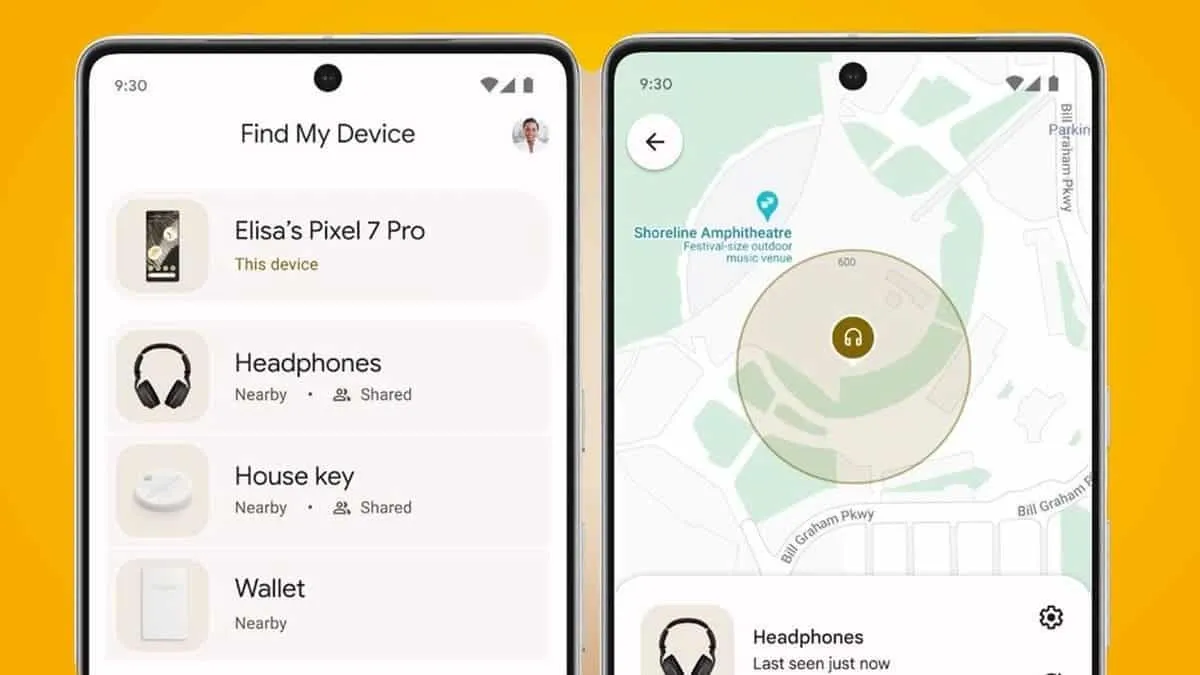
In today's digital age, losing a device can be incredibly stressful and frustrating. Whether it's your smartphone, tablet, or laptop, locating your lost devices quickly can save you time and prevent potential data loss. The first step is to utilize built-in tracking features. For example, if you own an Apple product, you can use the Find My app, which allows you to locate your devices on a map. For Android users, the Find My Device service is similarly effective, enabling users to track their lost devices through their Google accounts. Always ensure these features are enabled ahead of time for quick access when needed.
If your tracking features are not available or the device is turned off, consider the following tips and tricks:
- Check Your Surroundings: You might have simply misplaced it nearby.
- Use Sound Alerts: If your device is nearby, use options that let you play a sound to help locate it.
- Retrace Your Steps: Think about the last places you visited and check those areas.
- Notify Local Authorities: If you believe your device has been stolen, report it immediately.
Counter-Strike is a highly popular first-person shooter game that has captivated millions of players worldwide. The game features team-based gameplay where players can take on the role of terrorists or counter-terrorists. With its strategic depth and fast-paced action, many gamers also enjoy pairing their gaming setup with the Top 10 Bluetooth Key Finders for convenience and efficiency.
The Technology Behind Finding Lost Items: An In-Depth Look
The rapid evolution of technology has revolutionized the way we locate lost items. From Bluetooth trackers to advanced GPS systems, the methods for recovering misplaced belongings have become more efficient and user-friendly. Devices like Bluetooth trackers, such as Tile or Apple AirTag, utilize low-energy Bluetooth signals to help users find their belongings within a specified range. When an item is marked as lost, nearby users in the tracking network can securely provide location updates, offering a community-driven approach to locating lost items. This technology, combined with smartphone applications, delivers real-time alerts and an easy interface, making it accessible to everyone.
Another innovative solution is the implementation of RFID (Radio Frequency Identification) technology, which is widely used in inventory management but is also gaining popularity in personal item tracking. RFID tags, which can be attached to belongings, communicate with a reader by transmitting information wirelessly. This enables individuals to quickly find lost items through scanning, reducing the time spent searching. Moreover, recent advancements in augmented reality (AR) are allowing users to visualize the presence of their items in real-time, indicating that the future of lost item technology is not only about retrieval but also about enhancing the overall user experience.
What to Do When Your Device Goes Missing: A Step-by-Step Guide
Realizing that your device is missing can trigger panic, but staying calm is crucial. Start by retracing your steps to determine where you last used or saw your device. Check common locations such as your home, car, or workplace. If you believe it might be in your home, look in typical spots like your kitchen, living room, or bedroom. For outdoor areas, think about parks or cafes where you might have taken it. If the device remains untraceable, proceed to activate its tracking features.
Most modern devices come equipped with tracking functionalities that can assist in locating your missing item. For instance, if you're using an iPhone, utilize the Find My iPhone feature via iCloud, or for Android devices, use the Find My Device service to pinpoint its location. If the device is still unaccounted for, it's essential to secure your information by remotely locking it or erasing its data to protect your personal information. Lastly, don’t forget to report your missing device to local authorities and your service provider for possible assistance and preventive measures.