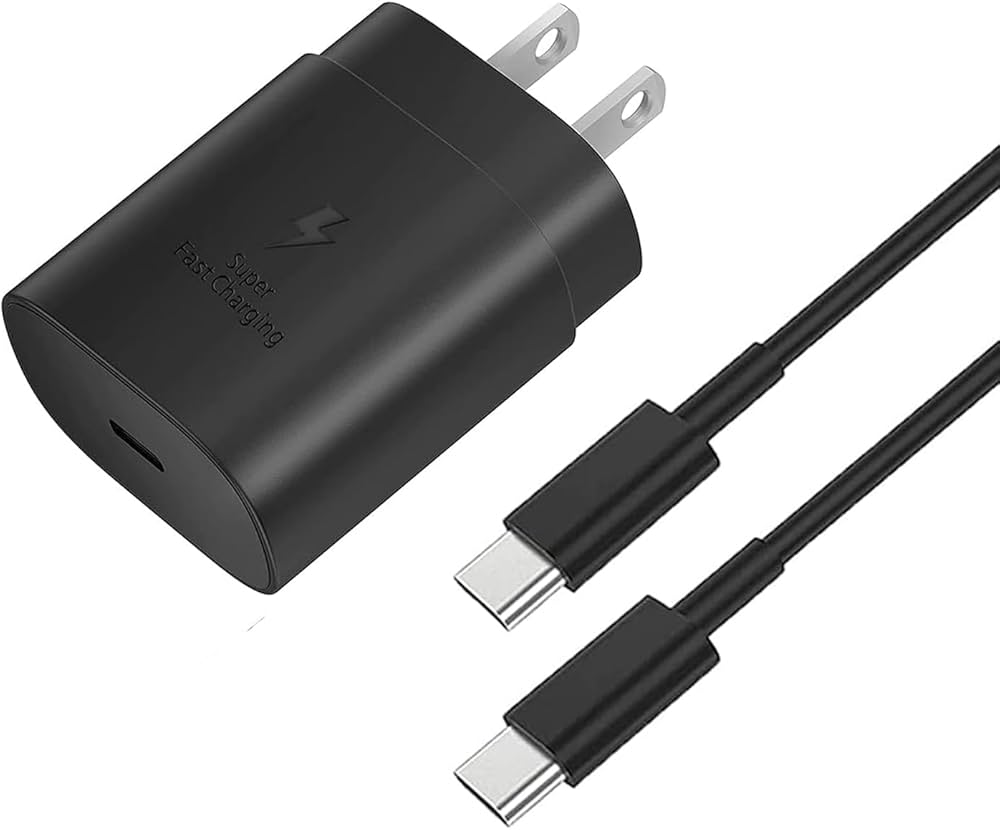
The Science Behind Fast Charging: How It Works
The rapid evolution of technology has made fast charging a vital feature for modern devices, including smartphones, tablets, and laptops. Fast charging relies on advanced electrical engineering that allows for higher voltage and current to be delivered to the battery. Unlike traditional charging, which typically operates at 5 volts and 1-2 amps, fast charging can utilize power delivery techniques that adjust voltage levels, sometimes exceeding 20 volts, to quickly refill a device's battery. This process involves sophisticated communication between the charger and the device's battery management system to regulate power flow safely and efficiently.
At the core of fast charging is the battery chemistry that enables quick energy absorption without compromising safety. Modern lithium-ion batteries are designed to handle increased current by using principles such as electrochemical gradients that facilitate faster ion movement between the anode and cathode. Additionally, fast charging solutions often employ smart temperature management to prevent overheating, ensuring the longevity and safety of the device. As cutting-edge technologies evolve, the ability to charge devices in record time will continue to gain importance in our fast-paced digital lifestyles.
If you're looking to declutter your space without sacrificing functionality, consider exploring the Top 10 Slim Wireless Charging Pads. These sleek and portable options not only provide efficient charging for your devices but also blend seamlessly with any decor. Whether at home or in the office, a slim charging pad can enhance your setup while keeping your space tidy.
Top 5 Myths About Fast Charging Debunked
When it comes to fast charging, misinformation can create confusion among consumers. One of the most prevalent myths is that fast charging damages battery health. Although older technologies may have been prone to overheating, modern fast charging systems are designed with advanced technologies that manage heat effectively, optimizing both speed and safety. In fact, many manufacturers implement intelligent charging algorithms that prolong battery life while still delivering quick power boosts.
Another common misconception is that using your phone while fast charging will significantly slow down the charging process. While it's true that running power-intensive applications consumes battery power during charging, most fast charging systems can still deliver a substantial amount of power, even when you're using your device. The key is to understand that the efficiency of fast charging may vary based on usage and device temperature, but it won't halt the charging process entirely.
How Fast Charging Technology is Evolving
The landscape of fast charging technology is continuously evolving, driven by the increasing demand for quicker and more efficient ways to power devices. Major companies are investing heavily in research and development to enhance charging speeds while ensuring safety and longevity of battery life. For instance, the introduction of fast charging protocols, such as Qualcomm's Quick Charge and USB Power Delivery, has revolutionized how we interact with our devices, shrinking charging times significantly. In many cases, advanced solutions can deliver up to 100W of power, allowing smartphones, tablets, and laptops to be charged from zero to full capacity in mere minutes.
Moreover, innovations in battery technology play a crucial role in the evolution of fast charging. Traditional lithium-ion batteries are being complemented by emerging technologies like lithium polymer and solid-state batteries, which not only support faster charging but also offer improved energy density. Another exciting development is the incorporation of supercapacitors, which can charge and discharge rapidly, enabling faster energy transfer while reducing wear on traditional batteries. As this technology progresses, users can expect even more reliable solutions that make battery anxiety a thing of the past.