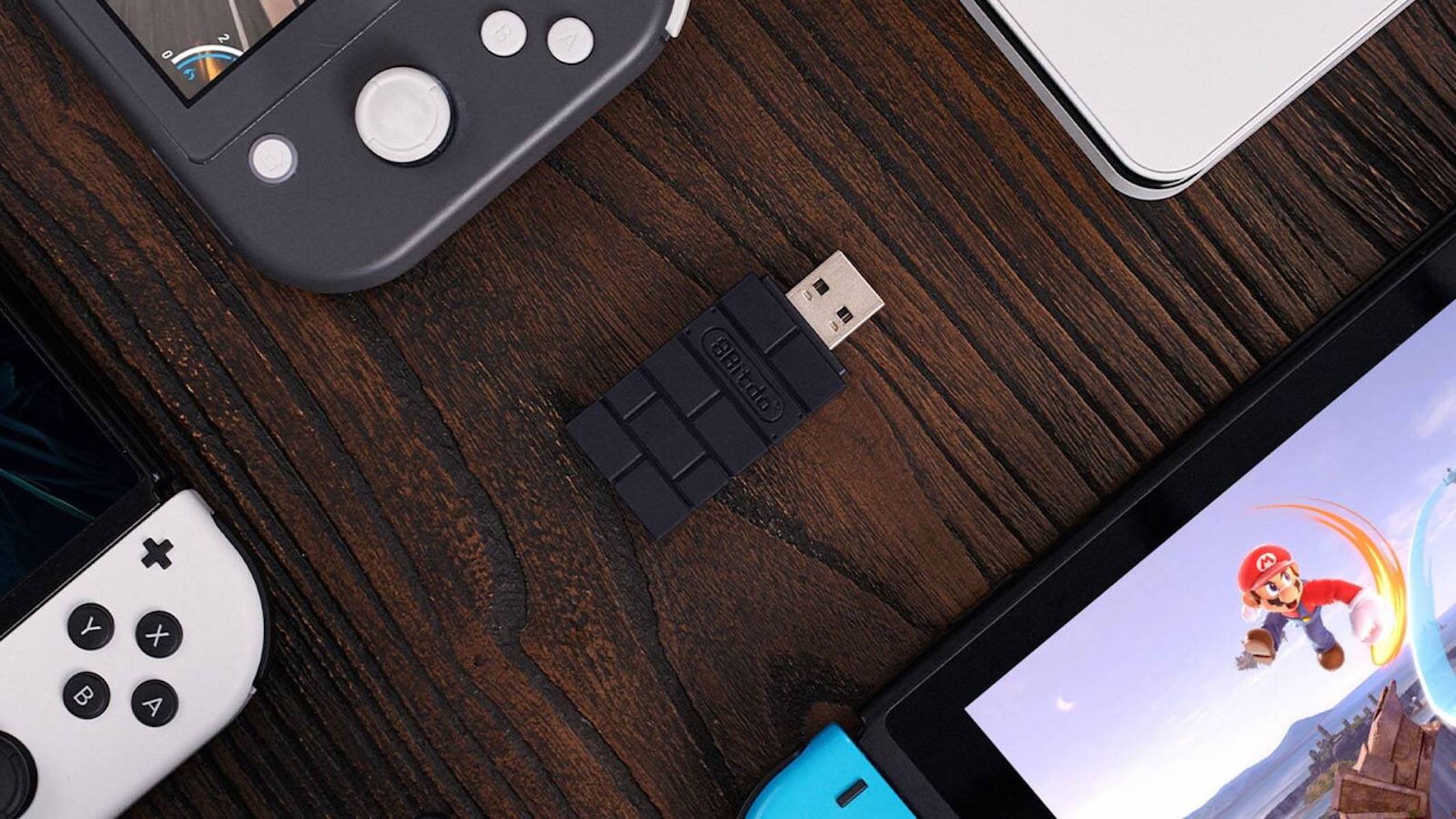
Mind-Bending Gadgets: Are We Living in a Simulation?
In an era where mind-bending gadgets are becoming increasingly sophisticated, the question arises: are we living in a simulation? These devices, ranging from virtual reality headsets to advanced AI companions, challenge our understanding of reality and perception. As we delve into the capabilities of these technologies, it's essential to consider their implications on our daily lives. Could these innovations be a glimpse into a simulated existence, where what we perceive as reality may be distortions created by complex algorithms? This inquiry invites a discussion not only about technology but also about the philosophical questions surrounding consciousness and existence.
Moreover, the rise of augmented reality and immersive experiences offers us a unique lens to examine our surroundings. Imagine interacting with your environment through a gadget that layers digital information onto the real world, blurring the lines between what is tangible and what is artificially constructed. With tech giants investing heavily in these advancements, it becomes crucial to analyze how they shape our interpretations of reality. Are we on the brink of a technological renaissance or merely a step closer to proving that our lives could be an intricate simulation, crafted by minds beyond our comprehension? The intersection of simulation theory and mind-bending gadgets opens a Pandora's box of possibilities worth exploring.
Counter-Strike is a popular tactical first-person shooter game where players compete in teams to complete objectives or eliminate opponents. It has a rich history in competitive gaming, with numerous tournaments held worldwide. For those looking to enhance their gaming experience, consider the Top 10 Noise-Cancelling Headphones for Working from Home to block out distractions and improve focus while playing.
10 Futuristic Devices That Challenge Our Perception of Reality
As technology continually evolves, we find ourselves surrounded by futuristic devices that challenge our perception of reality. From augmented reality (AR) glasses that overlay digital information onto the real world to virtual reality (VR) headsets that transport us to entirely different environments, these innovations are redefining our experiences. One standout example is the Oculus Quest, a standalone VR headset that allows users to immerse themselves in games and simulations. Similarly, Microsoft's HoloLens represents a leap in AR technology, enabling users to interact with holograms in their physical space, thus blurring the lines between the digital and real worlds.
In addition, inventions like the Neuralink brain-computer interface and smart contact lenses raise profound questions about the future of human experience. These devices not only enhance user interaction but also challenge our understanding of consciousness and reality itself. For instance, smart contact lenses equipped with AR capabilities could deliver real-time data directly to our vision, fundamentally altering how we perceive our surroundings. As we delve deeper into this evolving landscape of futuristic technology, it becomes imperative to consider the implications for our daily lives and society as a whole.
How Augmented Reality is Altering Our Everyday Experiences
Augmented Reality (AR) is rapidly transforming our daily interactions, bridging the gap between the physical and digital realms. With applications in various industries—from retail to education—AR enables users to experience a seamless integration of digital elements into their immediate surroundings. For instance, shopping apps now allow customers to visualize how furniture would look in their homes before making a purchase, significantly enhancing customer satisfaction and reducing return rates. Additionally, educational platforms utilize AR to create immersive learning experiences, thereby fostering a deeper understanding of complex subjects.
Moreover, augmented reality is reshaping the way we engage with entertainment and social media. Platforms like Snapchat and Instagram have implemented AR filters that have changed the dynamics of content creation and personal expression. By enabling users to add interactive and animated elements to their photos and videos, these features not only increase user engagement but also encourage creativity and exploration. As AR technology continues to evolve, its impact on our everyday experiences is likely to grow, paving the way for new forms of communication and interaction.