Mastering the Art of Shotgun Play: Tips and Tricks for CSGO Champions
Mastering the Art of Shotgun Play in Counter-Strike: Global Offensive (CSGO) requires a blend of strategy, skill, and understanding the unique dynamics of close-quarters combat. Shotguns can be game-changers when used correctly, often catching opponents off guard in tight spaces. To begin your journey into shotgun mastery, focus on optimizing your positioning. Always be aware of common choke points where players gather. Utilizing a shotgun in these areas can lead to quick eliminations and an advantage for your team.
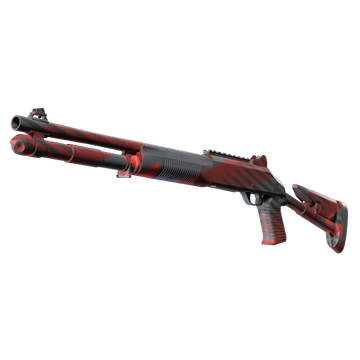
Another crucial aspect is understanding the different types of shotguns available in the game. The M1014, for instance, is a semi-automatic shotgun that excels in rapid engagements, while the Nova can deliver lethal damage in one shot at close range. Consider incorporating the following tips to enhance your shotgun play:
- Practice your aim: Utilize training maps to improve your accuracy.
- Use sound to your advantage: Listen for enemy footsteps to anticipate their movements.
- Be unpredictable: Change your hiding spots frequently to avoid being countered.
Counter-Strike is a highly competitive first-person shooter that has captivated players worldwide since its inception. Players engage in intense battles as terrorists and counter-terrorists, aiming to complete objectives and outsmart their opponents. A popular aspect of the game is customizing character appearances, with items like bloodhound gloves adding unique flair to players' in-game avatars.
Top 5 Shotgun Strategies to Dominate Your Opponents in CSGO
In the fast-paced world of CSGO, mastering the art of shotgun usage can be a game-changer. Whether you're playing on dust, train, or any other map, having a few key strategies up your sleeve can help you dominate your opponents. Here are the top 5 shotgun strategies that every player should adopt:
- Close Quarters Combat: The primary advantage of shotguns lies in their effectiveness at close range. Always position yourself in tight spots like corridors or flanking routes to catch unsuspecting enemies off guard.
- Sound Strategy: Use sound to your advantage. The distinctive noise of shotgun fire can confuse and intimidate opponents. Listen closely for their movements, and be ready to strike when they least expect it.
- Team Play: Communicate with your team. Coordinating your attacks can create opportunities for ambushes, allowing you to utilize shotguns in situations where they can shine.
- Check Corners: Always check corners before charging in. Shotguns can be deadly, but surprise encounters with enemies waiting can spell disaster. Use smokes or flashes to disorient foes before rushing in.
- Upgrade Tactics: Don't forget to upgrade your shotgun when resources allow. A better shotgun can be the difference between winning or losing an engagement.
Is the Shotgun the Ultimate Weapon in Close Quarters Combat?
The shotgun is often regarded as a formidable choice in close quarters combat (CQC) due to its wide spread and devastating stopping power. Unlike rifles and handguns, which require more precise aim, the shotgun's design allows for greater margin for error in tight spaces, where quick reactions are crucial. Additionally, shotguns can be loaded with various types of ammunition, including buckshot, birdshot, and slugs, providing versatility in different engagement scenarios. This adaptability makes the shotgun a viable option for law enforcement and military personnel who frequently operate in confined environments.
However, while the shotgun's characteristics contribute to its reputation, it is essential to recognize that close quarters combat also demands the understanding of tactical maneuvers and situational awareness. The effectiveness of a shotgun in CQC may heavily depend on the user's training and experience. Some critics argue that other firearms, such as submachine guns and pistols, can offer advantages in terms of fire rate, magazine capacity, and ease of maneuverability. Ultimately, labeling the shotgun as the ultimate weapon in CQC can be subjective, as the context of the situation plays a significant role in determining the most effective armament.