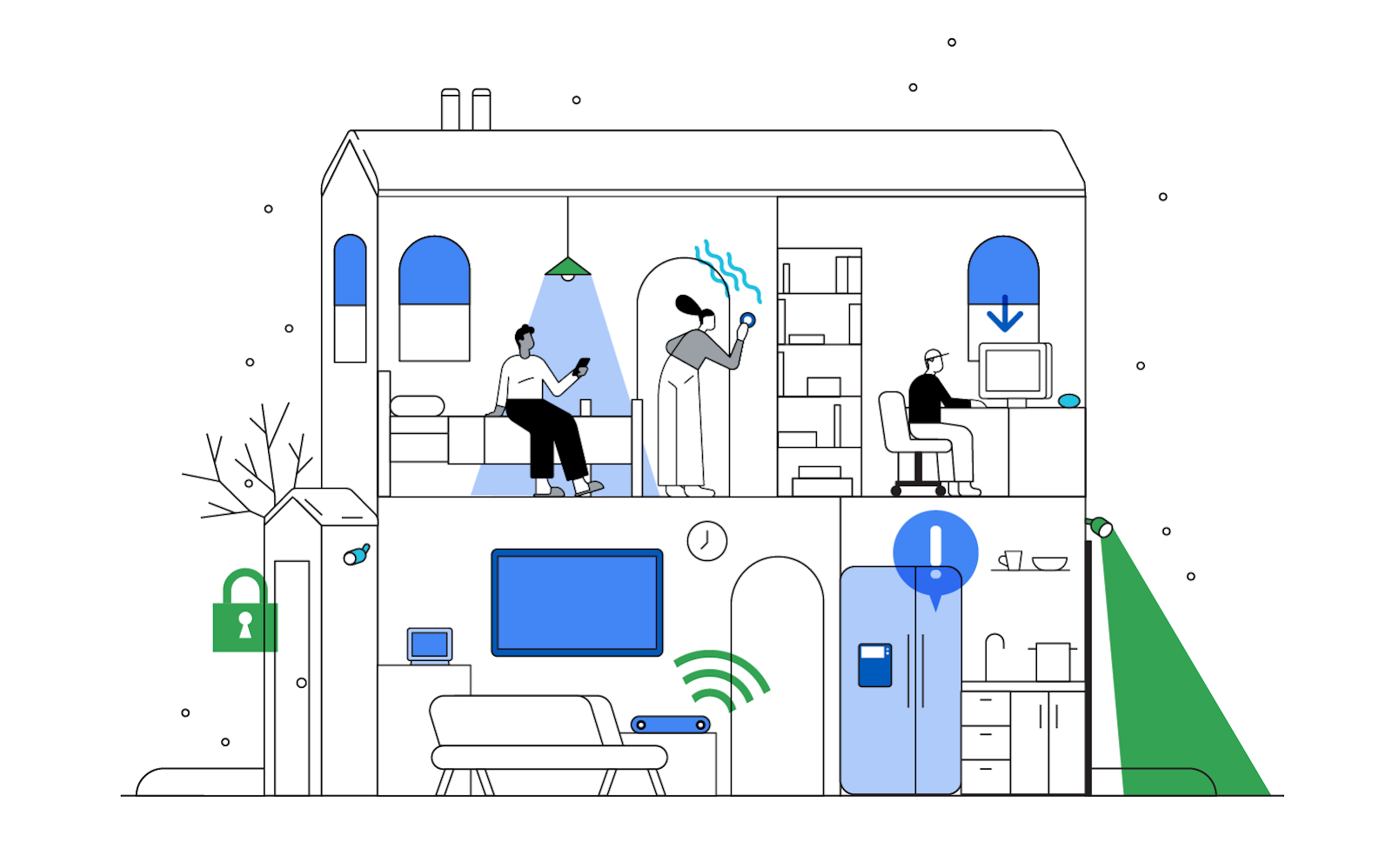
Understanding Smart Home Devices: Which Ones Are Right for You?
As technology continues to evolve, smart home devices have become increasingly popular among homeowners looking to enhance convenience, security, and energy efficiency. From smart speakers to intelligent lighting systems, the variety of devices available can be overwhelming. To find the right fit for your home, it's essential to consider your specific needs and lifestyle. Start by identifying what areas of your life you want to automate or improve—whether it's better control over your home security, energy savings, or simply a dose of modern convenience.
Once you've established your priorities, explore the categories of smart home devices that might meet those needs. Some popular categories include:
- Smart Security Systems: Cameras, doorbells, and locks that you can monitor remotely.
- Smart Lighting: Adjustable and programmable lighting options that can be controlled from your smartphone.
- Smart Thermostats: Devices that optimize your heating and cooling based on your schedule and habits.
Ultimately, selecting the right devices depends on your preferences and level of comfort with technology, so take the time to research and compare options.
Counter-Strike is a popular first-person shooter game that pits teams of terrorists against counter-terrorists in various game modes. Players can choose from different weapons and strategies to complete objectives such as bomb defusal or hostage rescue. For those looking to enhance their living spaces, consider checking out the Top 10 smart home accessories that can make your gaming experience even better.
The Ultimate Guide to Setting Up Your Smart Home Ecosystem
In today’s fast-paced world, creating a smart home ecosystem is no longer a luxury but a practical step towards enhancing comfort, convenience, and security. To set up your smart home successfully, the first step is to select a central hub. This hub acts as the brain of your smart home, connecting all devices, whether it's smart speakers, bulbs, or security cameras. Popular options include Amazon Alexa, Google Assistant, and Apple HomeKit.
- Identify your primary needs: security, comfort, or energy efficiency.
- Choose compatible devices that work seamlessly with your chosen hub.
- Consider future expandability to accommodate more devices as technology evolves.
Once you have your hub, the next step is to install your devices and integrate them into the ecosystem. Setting up each smart device generally requires the following steps:
- Connect the device to your Wi-Fi network via the manufacturer's app.
- Add the device to your central hub, allowing it to communicate with other smart gadgets.
- Customize settings and create routines—like setting lights to turn on at sunset or adjusting the thermostat based on your schedule.
Are Smart Homes Safe? Addressing Common Security Concerns
As the popularity of smart homes continues to rise, security concerns have become a significant topic of debate. Many homeowners wonder whether integrating smart devices into their living spaces poses risks to their personal safety and privacy. While smart appliances and home automation systems offer enhanced convenience, they can also introduce vulnerabilities if not properly managed. To address these concerns, it is essential to understand the potential threats that can arise from smart home technology and the measures that can be taken to secure them.
According to recent studies, many homeowners remain skeptical about the overall safety of smart homes. Common concerns include the risk of hacking, data breaches, and unauthorized access to personal information. However, by implementing strong passwords, enabling two-factor authentication, and regularly updating device software, homeowners can significantly improve the security of their smart devices. Users should also ensure that their Wi-Fi networks are secure and consider using a separate network for their smart home devices to minimize risks. With the right precautions, smart homes can be just as safe—if not safer—than traditional homes.