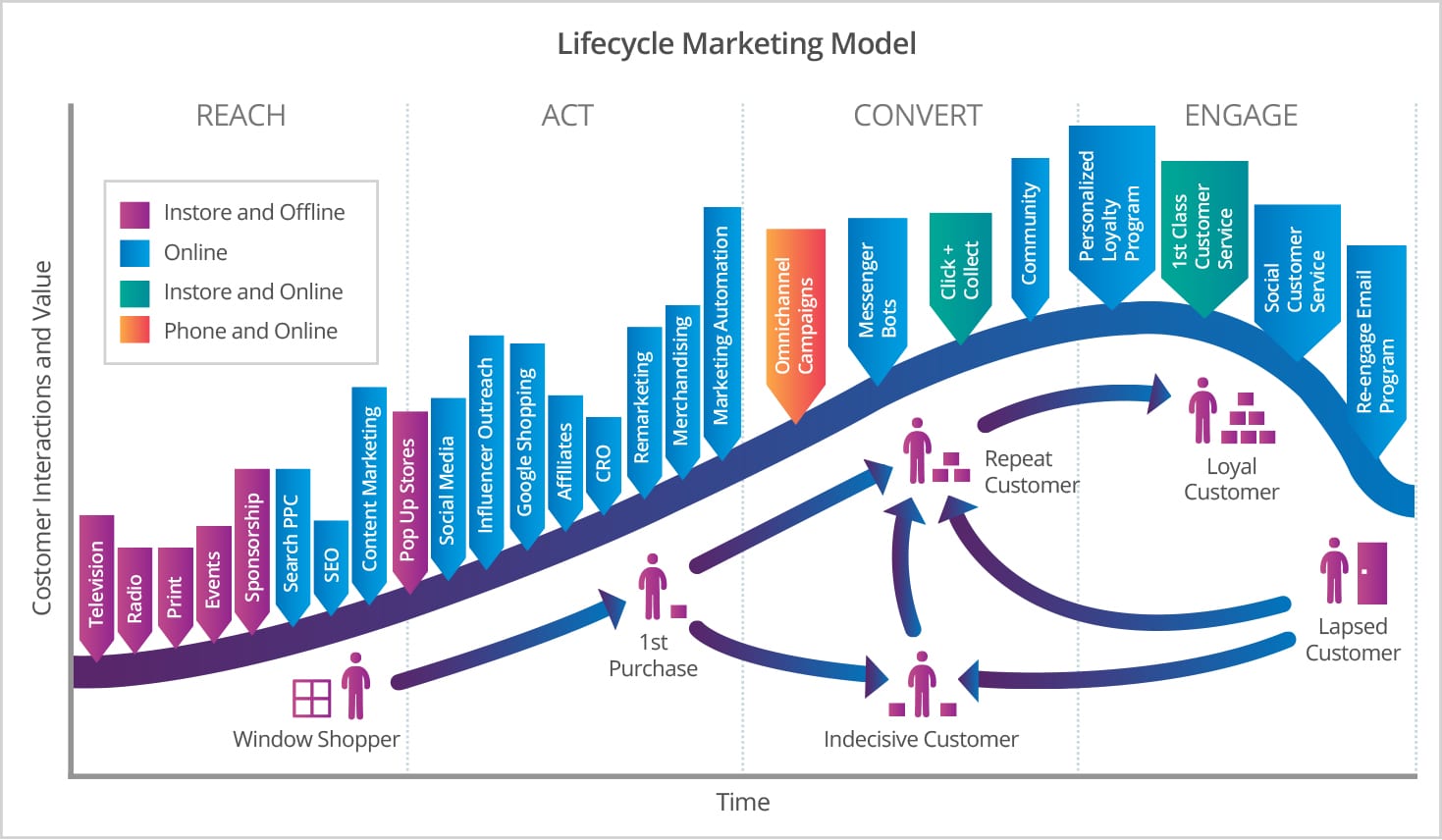
The Power of Lifecycle Marketing: Transforming Gamer Engagement
In the competitive landscape of the gaming industry, lifecycle marketing has emerged as a crucial strategy to enhance gamer engagement. By understanding the different stages of a player's journey—from awareness to retention—developers can tailor their marketing strategies to meet specific needs. For instance, during the 'acquisition' phase, targeted ads and promotional offers can effectively draw in new players. Following this, personalized onboarding experiences help gamers acclimate to the game mechanics and lore, boosting their chances of continued engagement.
As gamers progress into the 'retention' phase, lifecycle marketing becomes even more vital. Utilizing data analytics, developers can track player behaviors and preferences, allowing for customized content delivery such as in-game events and rewards tailored to individual playstyles. This not only deepens the player's connection to the game but also fosters a vibrant community. Furthermore, addressing player feedback through regular updates and patches keeps the game experience fresh, ensuring that players remain not just engaged, but advocate for the brand, thus transforming them into lifelong fans.
Counter-Strike is a highly popular series of multiplayer first-person shooter games that emphasize teamwork and strategy. Players assume the roles of terrorists and counter-terrorists in various game modes, creating an intense competitive environment. If you're looking to enhance your gaming experience, you might want to check out this betpanda promo code. With its fast-paced gameplay and tactical depth, Counter-Strike has become a staple in the esports community.
5 Proven Strategies to Turn Casual Players into Devoted Fans
Turning casual players into devoted fans is essential for any gaming community. One effective strategy is to engage with your players regularly. This can be accomplished through social media, game forums, or live events, where you actively listen to feedback and make them feel valued. Another method is to offer unique content that keeps your game fresh and exciting. By introducing new levels, challenges, or themed events, players are more likely to invest their time and money into your game, fostering a deeper connection.
Additionally, consider the role of community-building in transforming players’ perceptions. Establishing a welcoming online community via platforms like Discord or dedicated forums can enhance player loyalty. Hosting in-game competitions or rewards for fan art can also boost participation and excitement. Finally, utilize smart marketing strategies, such as personalized communication through newsletters or targeted ads, to remind players of the fun and value your game offers. By implementing these strategies, casual players can gradually evolve into your most passionate supporters.
How to Create Lasting Connections with Players Through Lifecycle Marketing
Lifecycle marketing is a powerful strategy for creating lasting connections with players by understanding their journey and tailoring experiences to enhance engagement. It involves segmenting players based on their behavior and preferences, allowing you to deliver personalized content, offers, and communication at the right time. Start by identifying key touchpoints throughout the player journey, from onboarding to retention, and craft tailored messages that resonate with each segment. For example, onboarding messages could focus on tutorials and rewards, while retention efforts might highlight exclusive content or events.
As you implement your lifecycle marketing strategy, continuously analyze player data to optimize your approach. Utilize player feedback and engagement metrics to refine your messaging and enhance the overall experience. By doing so, you will not only keep players engaged but also foster a sense of community and loyalty. To reinforce these connections, consider incorporating features like community events, social media interaction, and regular updates that celebrate player achievements. Ultimately, a well-executed lifecycle marketing plan will lead to stronger relationships and higher player retention.