Exploring User-Generated Markets: A New Frontier in Gaming Economics
The rise of user-generated content has ushered in a new era for gaming economics, transforming not only how games are developed but also how they are monetized. User-generated markets empower players to create, share, and sell their own creations within gaming ecosystems. This has led to the emergence of robust platforms where users can trade assets, such as skins, levels, or even entire games they designed. As a result, we are witnessing a shift where the line between player and developer blurs, creating new opportunities for income generation and participation in the creative process.
Moreover, the impact of these user-generated markets extends beyond individual players to the gaming industry as a whole. Developers are increasingly recognizing the value of community engagement, encouraging players to contribute their ideas and creations. This collaboration not only fosters a sense of ownership among players but also enhances the longevity of games, leading to continuous content updates and a sustainable economic model. In this rapidly evolving landscape, understanding the dynamics of user-generated markets is essential for both gamers and developers aiming to thrive in the digital economy.
Counter-Strike is a highly competitive first-person shooter game that has captured the hearts of gamers around the world. It emphasizes teamwork and strategy, as players can choose to play as terrorists or counter-terrorists. Many players look for enhancements to their gaming experience, and using a daddyskins promo code can provide exciting options for weapon skins and other customizations.
How Player-Created Content is Reshaping Game Development and Monetization
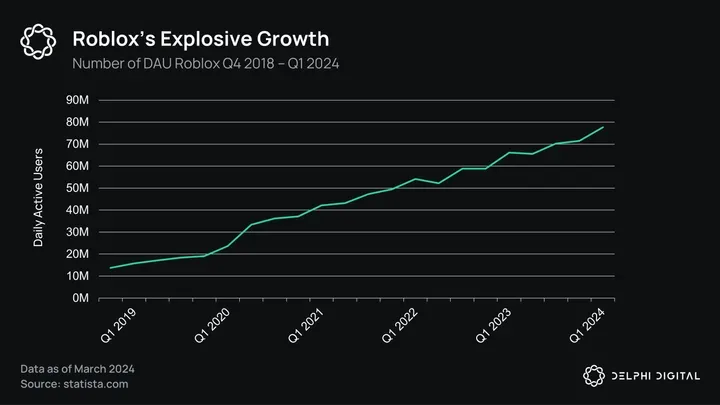
The landscape of game development is undergoing a monumental shift, as player-created content has emerged as a driving force behind innovative gameplay and community engagement. Unlike traditional development models, where game studios dictate every aspect of the gaming experience, platforms like Roblox and Fortnite empower players to design their own levels, characters, and even game mechanics. This democratization of content creation not only enhances player engagement but also expands the creative possibilities beyond what a single team of developers could achieve. Here, players become co-creators, fostering a sense of community and ownership that traditional gaming models often lack.
In addition to enhancing gameplay, player-created content is significantly reshaping monetization strategies within the gaming industry. Developers are increasingly recognizing the value of user-generated content and are adopting monetization models that allow creators to profit from their contributions. For instance, many games offer in-game marketplaces where players can buy, sell, or trade their creations, providing a new revenue stream for both players and developers. As a result, the monetization landscape is evolving, creating a more sustainable ecosystem that not only benefits creators but also fosters a vibrant community of artists and gamers alike.
Are User-Generated Markets the Future of In-Game Economies?
The evolution of in-game economies has led to the rise of user-generated markets, where players actively participate in creating and trading virtual goods. Unlike traditional virtual economies controlled by developers, these markets empower users to set prices, engage in barter, and provide valuable feedback on game design. As players invest time and resources into their creations, the collective creativity fosters a thriving ecosystem, potentially transforming the gaming landscape. With advancements in blockchain technology and decentralized platforms, the possibility of securing ownership and trade of in-game assets becomes increasingly viable, suggesting that user-generated markets could indeed be the future.
Moreover, the user-generated markets offer a unique avenue for monetization and engagement within games. Players become more than just consumers; they turn into creators and entrepreneurs, driving innovation and enhancing game longevity. By allowing users to craft their own items or services, developers can cultivate a community-driven environment that supports both casual and hardcore gamers. This shift towards participatory economies could lead not only to richer gameplay experiences but also to a more sustainable economic model within the gaming industry, further solidifying user-generated markets as a pivotal part of the future of in-game economies.