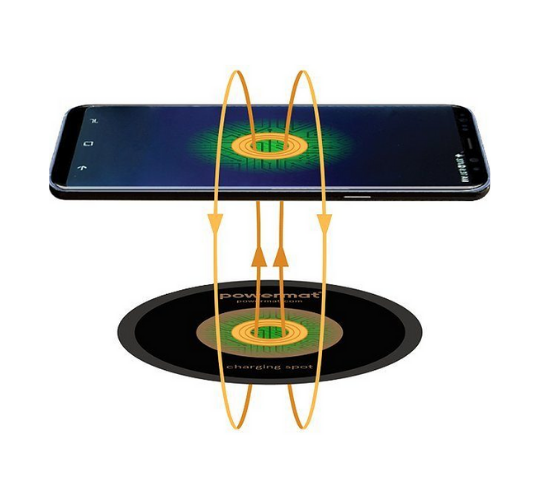
How Wireless Charging Works: The Science Behind the Convenience
Wireless charging is a revolutionary technology that eliminates the need for plugging in devices to charge them. At the core of this technology lies the principle of electromagnetic induction, which allows power to be transferred from a charger to a device through an electromagnetic field. This process begins with a charging pad, which generates an alternating magnetic field when powered. When a compatible device, such as a smartphone, is placed on the charging pad, it contains a coil that captures this field and transforms it back into electrical energy, allowing the device's battery to recharge.
There are two primary standards of wireless charging currently in use: Qi and PMA. The most widely adopted standard is Qi, which has gained popularity among smartphone manufacturers. The efficiency of wireless charging varies, often impacted by factors such as the alignment of the device on the pad and the distance between the two coils. As technology advances, improvements in wireless charging are expected to enhance speed and efficiency, making it an even more convenient alternative to traditional wired charging methods.
If you're looking to streamline your charging routine, check out the Top 10 3 in 1 MagSafe Chargers. These innovative chargers are designed to power up your iPhone, Apple Watch, and AirPods simultaneously, offering convenience and efficiency. With various designs and features available, you can find the perfect solution to keep all your devices charged effortlessly.
The Future of Energy: What Wireless Charging Means for Our Devices
The advent of wireless charging technology represents a significant shift in how we power our electronic devices. As the demand for convenience and efficiency grows, traditional wired charging methods are becoming obsolete in favor of more innovative solutions. Wireless charging works by transferring energy through electromagnetic fields, allowing users to simply place their devices on a charging pad without the hassle of plugging or unplugging cables. This technology not only simplifies the charging process but also reduces wear and tear on device ports, potentially extending the lifespan of our gadgets.
Looking ahead, the potential applications of wireless charging extend far beyond smartphones and tablets. Imagine a future where public spaces are equipped with charging infrastructure that allows our devices to charge while we move about freely. As this technology matures, it could power a range of devices, from home appliances to electric vehicles, enhancing our connectivity and efficiency. Furthermore, as innovations in battery technology and energy efficiency progress, we may witness a world where wireless charging becomes the norm, ensuring our devices remain powered up in an increasingly mobile-driven society.
Is Wireless Charging Worth It? Pros and Cons Explained
Wireless charging has become increasingly popular as a convenient and cable-free method of powering devices. One of the primary pros is the ease of use; simply place your phone on the charging pad and it starts charging without the hassle of plugging in cables. This can be particularly beneficial for those who are frequently on the go or tend to misplace chargers. Additionally, wireless chargers often come with fast charging capabilities, allowing for a quick power-up—just like traditional chargers. However, it is essential to consider the cons as well. Wireless charging is generally less efficient than wired charging, leading to longer charging times and potential overheating issues.
Another significant factor to weigh is the cost. Wireless chargers can be more expensive than traditional chargers, and they may not be compatible with all devices. Moreover, while many modern smartphones support wireless charging, older models might not. This means you may need to invest in a new device or a compatible charging case, which can add to the overall expense. On the other hand, the elimination of wear and tear on charging ports is a definite advantage, as it reduces the likelihood of damage over time. In summary, while wireless charging offers convenience and potential longevity for your device, it is essential to consider both the pros and cons to determine if it’s worth the investment for your specific needs.