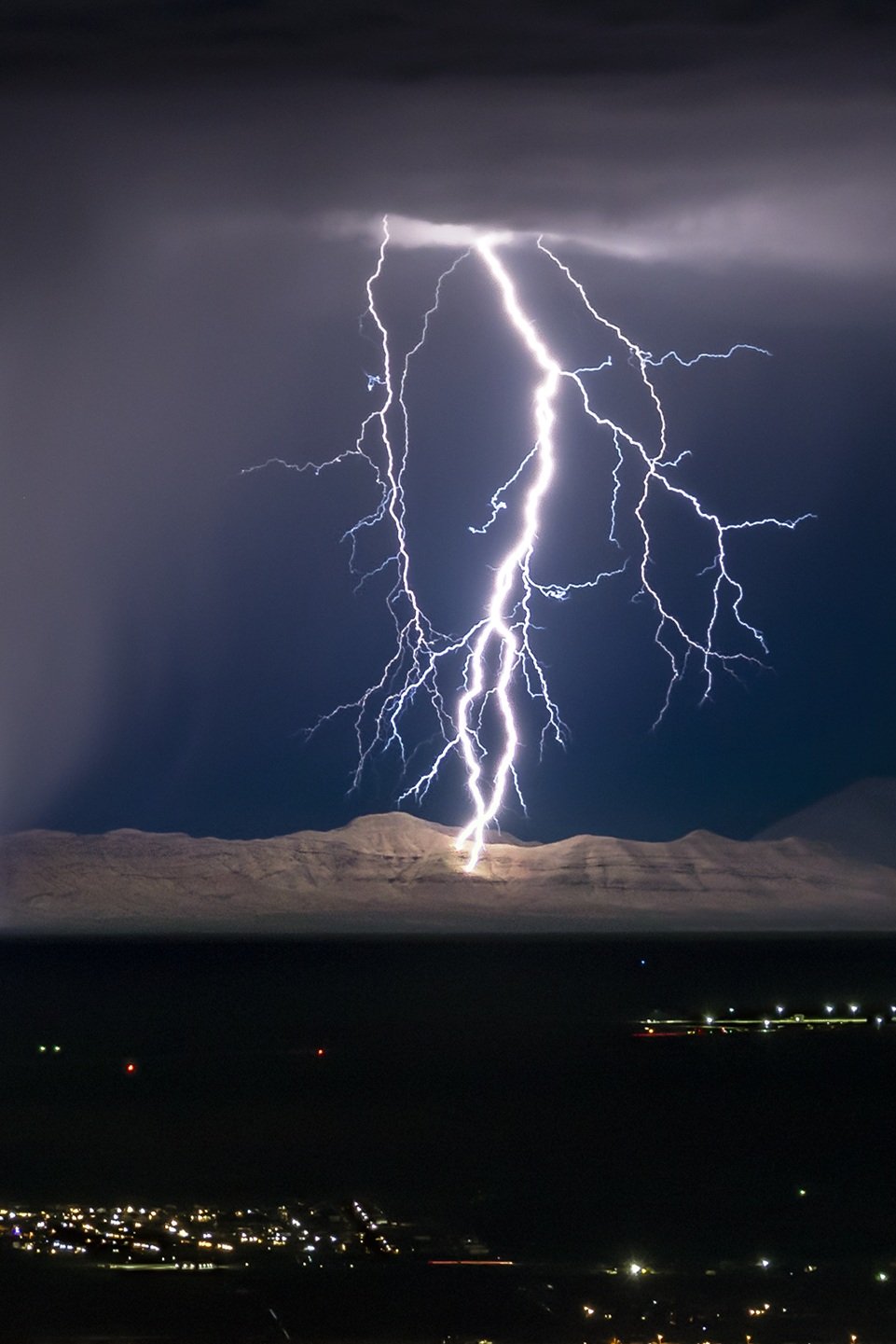
The Science Behind Lightning: How Nature Creates Its Electric Spectacle
The Science Behind Lightning has fascinated humans for centuries, not only for its breathtaking beauty but also for the advanced physics at play in its formation. Lightning is a powerful electrical discharge that occurs during thunderstorms, created by the buildup of static electricity in clouds. When warm air rises, it carries moisture with it, forming clouds, and as the air cools, the moisture condenses into water droplets or ice crystals. This process generates an electric charge, causing the cloud to become negatively charged at its base while the top remains positively charged. When the difference in electric potential becomes too great, a discharge occurs in the form of a lightning strike, illuminating the sky and creating a loud thunderous sound.
Interestingly, there are different types of lightning, with cloud-to-ground and intra-cloud being the most common. In addition to the dramatic light show, lightning plays an important role in the ecosystem. It helps to fix nitrogen in the atmosphere, making it available in a form that plants can use. This natural phenomenon, although powerful, is a testament to the intricate balance of our planet's atmospheric conditions. Understanding the science behind lightning not only satisfies our curiosity but also enhances our appreciation for the natural forces at work around us.
Counter-Strike is a popular multiplayer first-person shooter game that has captivated a global audience since its release. Players engage in team-based combat, with one side typically taking on the role of terrorists while the other side acts as counter-terrorists. The game emphasizes strategy, teamwork, and skill, making it a favorite in competitive gaming.
For gamers who rely on their devices, having the right accessories is essential. Check out our list of Top 10 iPhone charging cables to ensure your gear is always ready for action, allowing you to stay immersed in the game without interruptions.
Top 10 Fascinating Facts About Lightning That Will Surprise You
Lightning is one of nature's most magnificent displays of power, with some lesser-known aspects that will undoubtedly surprise you. For instance, did you know that a single bolt of lightning can contain up to one billion volts of electricity? This staggering amount of energy can instantly heat the air around it to temperatures five times hotter than the surface of the sun! In addition to this explosive heat, the average bolt travels at speeds of about 270,000 miles per hour, making it one of the fastest phenomena on Earth.
Another fascinating fact about lightning is that it can strike the same place multiple times. The Empire State Building has been struck by lightning over 20 times in a single year! Moreover, lightning is not just a summer occurrence; it can happen during winter storms too, a phenomenon known as thundersnow. These unpredictable strikes can cause significant damage, but they also play a vital role in the ecosystem by helping to convert nitrogen in the atmosphere into a usable form for plants.
What Causes Lightning to Strike? Exploring the Mysteries of Nature's Electric Phenomenon
Lightning is a stunning and powerful natural phenomenon that captivates both scientists and enthusiasts alike. But what causes lightning to strike? At its core, lightning is the result of an electrical imbalance between storm clouds and the ground. Through a series of complex processes, static electricity builds up in clouds during a thunderstorm. Eventually, this electrical energy seeks a path to discharge, often resulting in a dazzling bolt of electric light that connects the cloud to the Earth, or even between different clouds.
The formation of lightning can be broken down into several key stages. First, a charged separation occurs within the cloud, creating regions of positive and negative charges. As these charges strengthen, they create an electric field that can reach tens of millions of volts. When the strength of this field becomes great enough, it overcomes the resistance of the air, leading to the rapid discharge we recognize as lightning. While the precise mechanisms behind the formation of lightning are still a topic of research, its awe-inspiring displays remind us of the complex interactions occurring within our atmosphere.