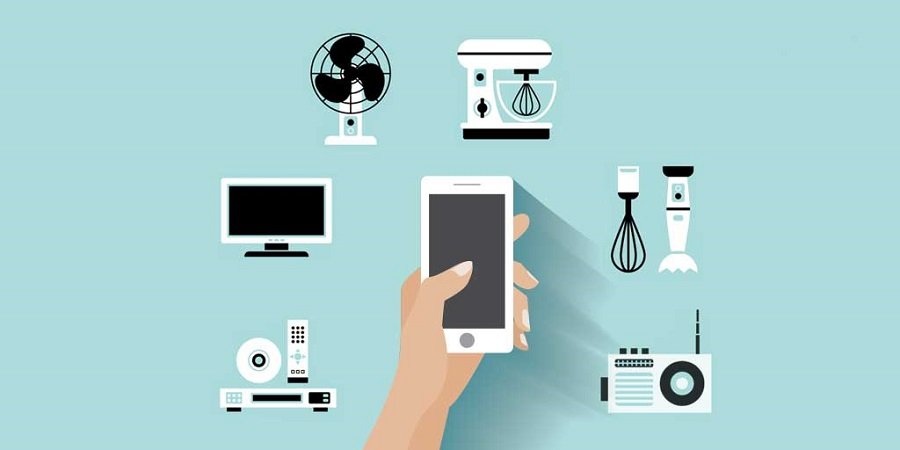
How Devices Shape Our Daily Routines: The Overlooked Influencers
In today's fast-paced world, devices have become integral to our daily routines, silently molding our habits and decisions. From smartphones to smart home systems, these devices provide convenience and connectivity that shape how we manage our time and tasks. For instance, a simple smartphone notification can disrupt our focus or encourage instant responses, leading to a cycle of constant interruption. Moreover, the integration of apps designed for organization—such as calendars, to-do lists, and reminders—facilitates a structured day while often causing us to prioritize digital engagement over personal interactions.
Beyond just facilitating tasks, devices act as significant influencers by shaping our leisure activities and consumption patterns. Consider the impact of streaming services on our entertainment choices; the ability to binge-watch shows at our convenience has transformed our viewing habits. Additionally, social media platforms not only entertain but also dictate aspects of our social interactions, often making us more reliant on digital communication methods. This reliance can prompt us to overlook the rich experiences gained from face-to-face connections, underscoring how intertwined our routines have become with these powerful technological tools.
Counter-Strike is a popular team-based first-person shooter game that has captivated millions of players worldwide. The game involves two opposing teams, Terrorists and Counter-Terrorists, battling to complete objectives such as planting or defusing bombs. For players looking to enhance their gaming experience, checking out the Top 10 Mobile Accessories can provide valuable insights into the best gear to use.
The Impact of Smart Devices on Mental Health: Navigating a Digital World
In today's fast-paced digital world, the prevalence of smart devices has transformed the way we communicate, work, and unwind. While these devices offer undeniable benefits, such as instant access to information and increased connectivity, they also pose significant risks to our mental health. The constant barrage of notifications, social media updates, and online interactions can lead to feelings of anxiety, depression, and social isolation. Research indicates that individuals who spend excessive time on their devices may experience difficulties in forming genuine social connections, as the quality of face-to-face interactions diminishes.
To navigate the complexities of a digital landscape, it is essential to adopt a balanced approach to using smart devices. Here are some strategies to mitigate their impact on mental health:
- Set boundaries for device usage, particularly during family time and before bed.
- Prioritize offline activities, such as hobbies and exercise, to foster genuine connections.
- Practice mindfulness by taking breaks from screens to recharge mentally.
Are We Becoming Too Dependent on Our Devices? A Study of Modern Unseen Actors
In today's fast-paced digital world, our lives are increasingly intertwined with technology, raising the question: Are we becoming too dependent on our devices? A growing body of research suggests that our reliance on smartphones, tablets, and computers may be affecting not just our social interactions but also our cognitive abilities. According to a recent study, over 80% of adults admit to feeling anxious when separated from their devices, indicating a profound psychological connection that may hinder our capacity for independent thought and self-reliance.
Moreover, this dependency breeds a new class of unseen actors—algorithms and applications that silently dictate our choices and influence our behavior. For instance, the prevalence of personalized content feeds makes it easier than ever to lose track of time and focus, contributing to decreased productivity and increased procrastination. As we continue to integrate technology into our daily routines, it is crucial to reflect on the potential drawbacks of this reliance and seek a balanced approach that fosters both technological advancement and mental well-being.