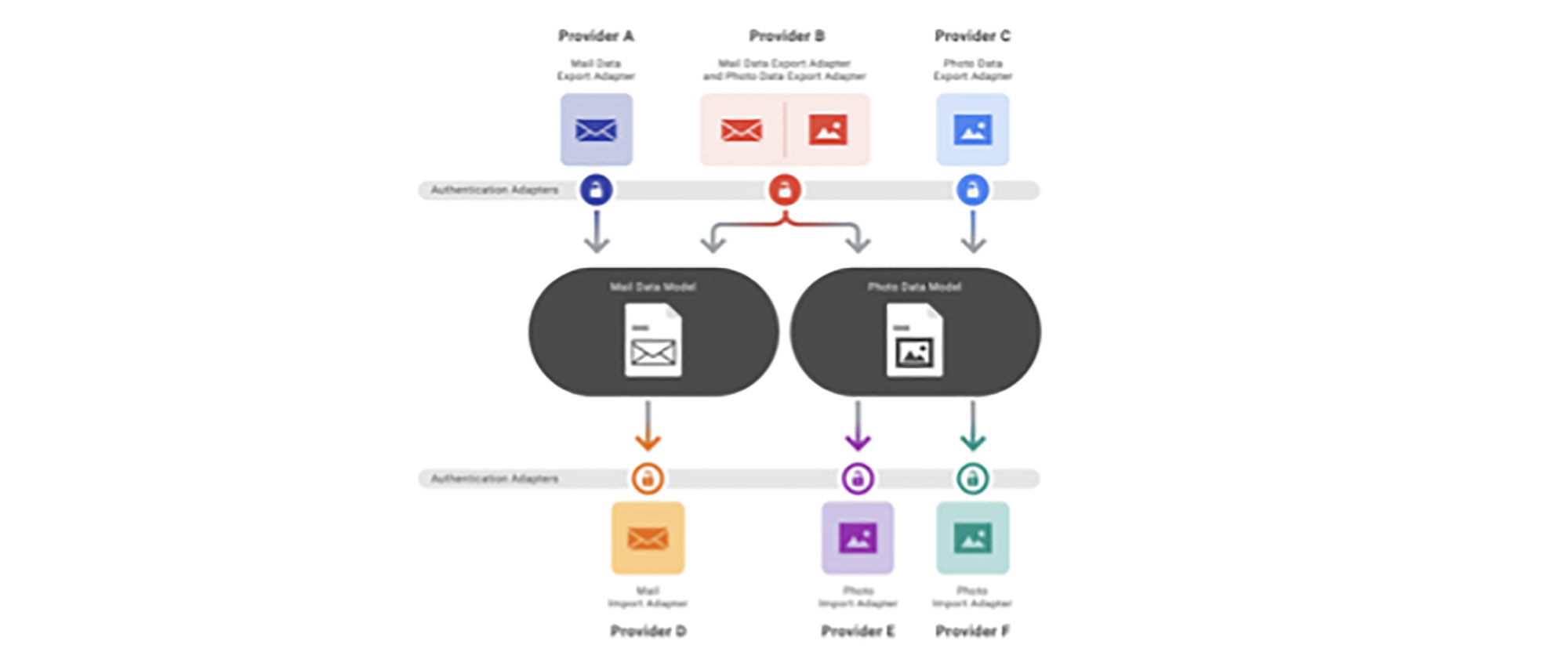
Understanding Data Transfer Protocols: Navigating the Digital Landscape
Understanding data transfer protocols is essential for anyone navigating the complexities of the digital landscape. These protocols serve as the rules and conventions for sending and receiving data across networks, ensuring that information flows seamlessly from one point to another. Common data transfer protocols include HTTP, FTP, and SMTP, each tailored for specific types of data exchange. For instance, HTTP is primarily used for web browsing, while FTP facilitates the transfer of files between servers. As digital communication grows increasingly sophisticated, mastering these protocols can significantly enhance your understanding of how data moves.
In addition to recognizing the various types of data transfer protocols, it is crucial to comprehend their underlying structures and functionalities. Each protocol operates through specific layers, such as the application layer and the transport layer, which help manage the transmission process. Moreover, the choice of a protocol can impact aspects like security, speed, and data integrity, making it vital to choose the right one for your specific needs. By delving into the intricacies of these protocols, you not only improve your technical knowledge but also enhance your ability to build robust digital solutions.
If you're looking for convenience and flexibility in charging your devices, consider the Top 10 Right Angle USB C Cables. These cables are designed to reduce strain on your ports and make it easier to use your devices while they charge. Whether you need a short cable for travel or a longer one for your workspace, there's a right angle USB C cable that fits your needs perfectly.
The Pros and Cons of Cloud-Based Data Transfers
Cloud-based data transfers have revolutionized the way businesses manage and share information. One of the significant pros of utilizing cloud technology is its scalability; organizations can easily adjust their storage capacity based on current needs without the hassle of physical hardware upgrades. Additionally, cloud services often feature enhanced security measures, including encryption and regular backups, which are critical in today's data-driven environment. Importantly, cloud-based solutions enable teams to collaborate in real-time regardless of their physical location, leading to increased productivity and efficiency.
However, while there are many advantages, there are also cons to consider when relying on cloud-based data transfers. One major concern is data security; although cloud providers implement robust security features, no system is entirely immune to breaches. Moreover, transferring large volumes of data can often lead to bandwidth issues, resulting in slow transfer speeds or interruptions. Lastly, dependence on a third-party provider for storage may lead to concerns over data control and availability, particularly if the service experiences outages or changes in terms of service.
What Are the Security Risks Involved in Data Migration?
Data migration involves transferring data between storage types, formats, or systems, and while it can improve efficiency and accessibility, it also poses significant security risks. One of the primary concerns is data loss during the migration process, which can lead to incomplete datasets and hinder organizational operations. Additionally, inadequate security measures can expose sensitive information to unauthorized access. For instance, if data is not properly encrypted during transit, hackers can intercept and misuse it. Organizations should implement robust encryption protocols and use secure channels to mitigate these risks.
Another notable risk is the potential for data breaches before, during, and after the migration process. This can occur if employees lack proper training on security protocols or if third-party vendors are not thoroughly vetted. The following practices can help minimize these risks:
- Conduct a thorough risk assessment to identify vulnerabilities.
- Ensure compliance with data protection regulations like GDPR or HIPAA.
- Monitor and audit the migration process continually.
By addressing these concerns proactively, organizations can secure their data migration efforts and protect against potential threats.