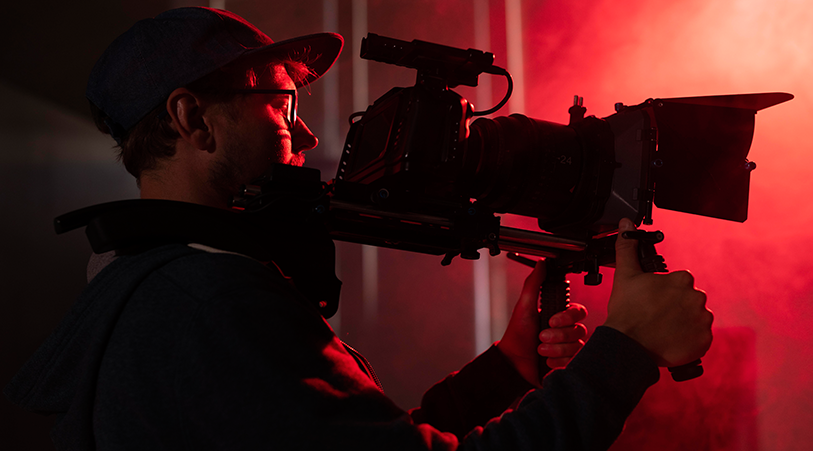
The Art of Visual Storytelling: How to Turn Concepts into Captivating Cinematic Experiences
The Art of Visual Storytelling is a powerful technique that allows creators to transform abstract concepts into compelling narratives. By leveraging elements such as imagery, sound, and motion, storytellers can evoke emotional responses and transport audiences into immersive experiences. To begin mastering this craft, it's essential to consider key components such as:
- Character Development: Create relatable characters that audiences can connect with.
- Visual Composition: Utilize effective framing and color palettes to enhance the narrative.
- Sound Design: Use audio strategically to heighten emotions and set the tone.
When you meld these elements together, the result is a cohesive cinematic experience that captivates and engages viewers. Remember, successful visual storytelling is not just about what is shown but also how it is presented. To truly resonate with your audience, focus on creating a strong emotional arc that leads to a satisfying resolution. Whether through film, animation, or other visual mediums, the art of storytelling lies in the ability to translate complex ideas into visuals that speak louder than words. Embrace this artistry, and you'll find that your concepts can evolve into unforgettable narratives.
Counter-Strike is a highly popular multiplayer first-person shooter game that has been a staple in esports and gaming culture since its original release in 1999. Players take on the roles of terrorists and counter-terrorists, competing in various game modes that require skill, strategy, and teamwork. To enhance your gaming experience, check out these Top 10 Phone Accessories for YouTube that can help optimize your setup.
Behind the Scenes: The Essential Techniques for Crafting Stunning Visual Narratives
Creating stunning visual narratives goes far beyond just capturing pretty pictures; it involves a deep understanding of essential techniques that can elevate your storytelling. One of the most important aspects is composition, which dictates how the elements in your frame interact. Follow the rule of thirds to create balance, or experiment with leading lines to guide the viewer's eye through your images. Additionally, pay attention to lighting; natural light can add depth and mood to your visuals, while artificial sources can help you achieve the perfect setting.
Editing is another crucial step in crafting these narratives. With the right software, you can enhance colors, correct imperfections, and even add creative elements like overlays or text. It's essential to strike a balance during this process; you want your edits to enhance the story, not overshadow it. Consider building a consistent editing style that reflects your unique voice and resonates with your audience. By mastering these behind-the-scenes techniques, you can not only capture attention but also engage your audience on a deeper level, transforming ordinary moments into breathtaking visual stories.
What Makes a Great Film? Key Elements That Transform Ideas into Cinematic Masterpieces
Creating a great film is an intricate process that requires the seamless integration of various elements. At the heart of this process lies a compelling story, which serves as the foundation for any cinematic masterpiece. A well-crafted narrative intrigues the audience, evokes emotional responses, and keeps viewers engaged from the opening scene to the closing credits. Additionally, character development plays a pivotal role; audiences must connect with the characters on a personal level. Strong protagonists and relatable antagonists bring depth to the story, allowing viewers to invest emotionally and truly care about the outcome.
Moreover, visual storytelling significantly enhances the film's message and mood. From cinematography to set design, the visual elements must complement the narrative, creating a cohesive experience. Techniques such as lighting, color palettes, and camera angles can evoke specific emotions and highlight key moments. A great film also relies on an evocative soundtrack and sound design that complements the visual elements, drawing the audience deeper into the story. Ultimately, it is the harmonious blend of these key elements that transforms a mere concept into a cinematic masterpiece, leaving a lasting impression on its audience.